
How Sustainable Tourism Protects Manu National Park and Empowers Local Communities
Can Tourism Save the Rainforest? The Reality in Manu
In many parts of the world, mass tourism is viewed as an environmental burden—straining local resources, generating plastic waste, and displacing communities. But in the fragile and remote wilderness of Manu National Park, well-regulated, ethical ecotourism is something very different: it is one of the most vital conservation tools keeping the forest standing.
Surrounded by pressures from illegal logging, gold mining, and agricultural encroachment, Manu’s vast wilderness exists in a delicate balance. Here is an honest, detailed look at how sustainable tourism directly empowers indigenous communities, funds frontline protection, and ensures Manu remains untouched for generations to come.
1. Creating Economic Independence Against Destructive Industries
The southwestern Amazon basin is rich in natural resources, which unfortunately makes it vulnerable to destructive short-term exploitation:
- Alluvial Gold Mining: Devastates riverbanks with toxic mercury and clear-cutting (as seen in unprotected areas of Madre de Dios).
- Illegal Selective Logging: Rips roads through primary forests to extract valuable cedar and mahogany.
- Slash-and-Burn Agriculture: Destroys ancient soil nutrients within a few seasons for low-yield cattle grazing.
When a local family living along the Manu or Alto Madre de Dios River has to choose between working in an illegal logging camp or earning a stable, dignified income as an ecotourism boat captain, naturalist guide, cook, or lodge manager, the choice is clear.
Ecotourism proves that an intact, living rainforest is vastly more valuable over the long term than a deforested wasteland.
2. Direct Financial Support for SERNANP Park Rangers
The Peruvian National Parks Service (SERNANP) is tasked with guarding millions of acres of dense, roadless jungle with limited governmental budgets.
Every traveler who enters Manu National Park or its Reserved Zone must pay an official government park entrance fee. These funds do not disappear into a bureaucratic void; they are reinvested directly into:
- Maintaining remote checkpoint stations like Limonal and Pakitza.
- Fueling patrol boats and equipping park rangers who monitor river traffic.
- Supporting biological research stations like Cocha Cashu.
- Satellite monitoring systems that detect unauthorized fires or clearing along buffer boundaries.
3. Empowering Native Indigenous Communities
Manu is the ancestral homeland of several indigenous peoples, including the Matsigenka, Yine, and Harakbut. For centuries, these communities lived self-sufficiently, utilizing the river and forest. Today, facing the economic realities of the modern world, they need sustainable revenue for healthcare, clean water, and secondary education for their children.
By collaborating with native communities:
- Community-owned lodges and cooperatives receive fair revenue shares from tourism visits.
- Traditional knowledge—such as natural botanical medicine, weaving, and sustainable farming—is celebrated and preserved rather than discarded.
- Young indigenous people are trained as professional licensed naturalist guides, providing rewarding careers rooted in their ancestral soil.
At Manu Jungle Forever, our lead guides and field staff were born and raised in these river valleys. Their families are direct beneficiaries of your journey.
4. The Power of "Eyes on the River"
Poachers, illegal fishermen, and wildcat gold miners operate in secrecy. They rely on isolation, unpatrolled waters, and zero witnesses.
When licensed ecotourism boats travel regular routes along the Alto Madre de Dios and Manu rivers, they provide continuous, informal surveillance. Tour boats communicate via VHF radio with ranger stations, reporting unusual activity, stranded boats, or illegal nets immediately.
The presence of conscious travelers and professional guides acts as an active human shield protecting the wilderness.
5. Creating Lifelong Global Ambassadors for Nature
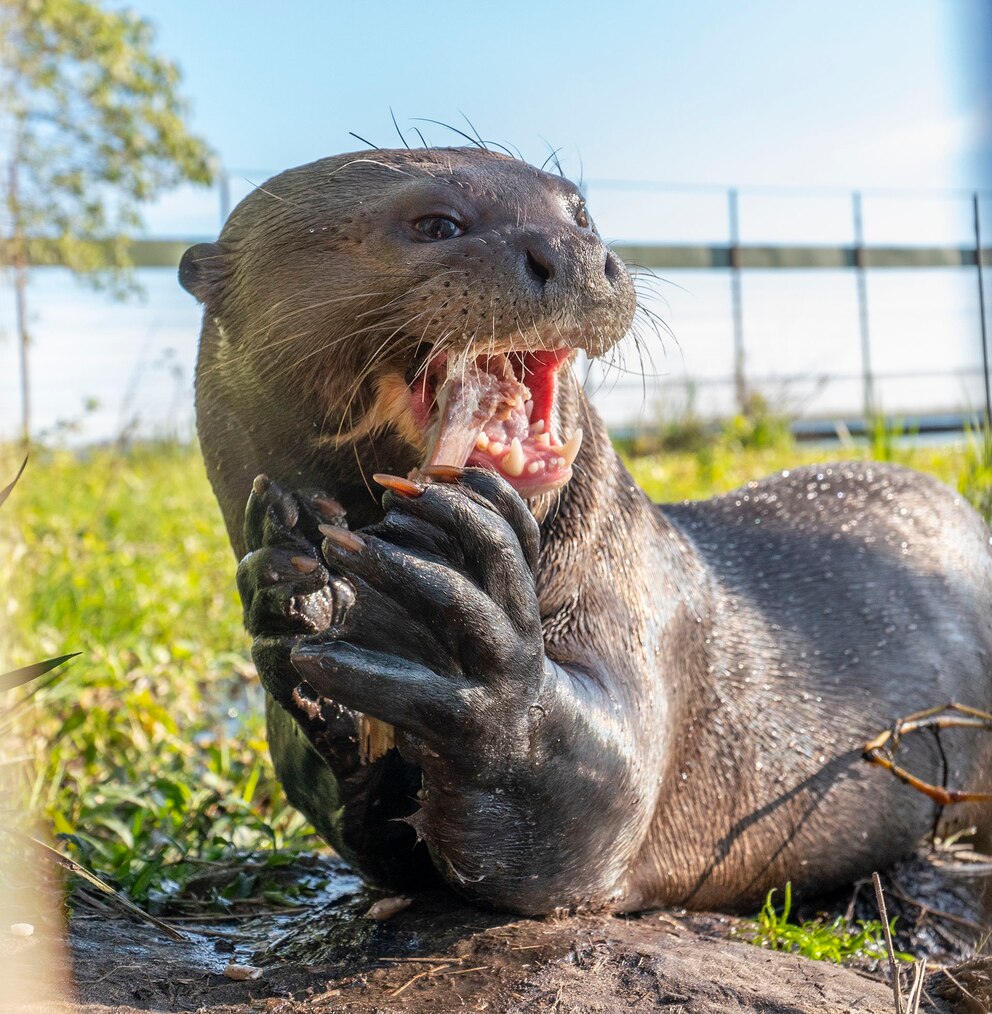
It is easy to care about the Amazon as an abstract concept on a television screen. It is entirely different to sit on a quiet lake at dawn, breathing misty air laden with the scent of wild jasmine, watching a mother giant otter teach her pup to catch fish, or locking eyes with a jaguar resting on a sunlit beach.
Travelers who experience Manu return home transformed. They become lifelong advocates:
- They support rainforest conservation organizations.
- They make conscious consumer choices regarding sustainable wood, beef, and palm oil.
- They inspire friends, family, and colleagues to care about protecting global biodiversity.
How to Ensure Your Visit Has Zero Negative Impact
To be a truly responsible traveler in Manu:
- Never buy wildlife souvenirs: Do not purchase animal teeth, feathers, skins, or live animals.
- Leave No Trace: Carry out all non-biodegradable trash (batteries, plastic bottles, hygiene products).
- Respect Cultural Privacy: Always ask permission before photographing local indigenous residents, and approach interactions with humility and respect.
- Choose Local, Certified Operators: Verify that your tour company is licensed by SERNANP, employs local staff, and adheres to strict waste management protocols.
Book with Purpose: Manu Jungle Forever
When you travel with Manu Jungle Forever, your expedition directly champions the people and wildlife of the Peruvian Amazon.
- Browse our sustainable Guided Tours
- Read our About Us Page to learn about our team
- Contact Us Today to reserve your conservation-driven Amazon expedition.
More Articles
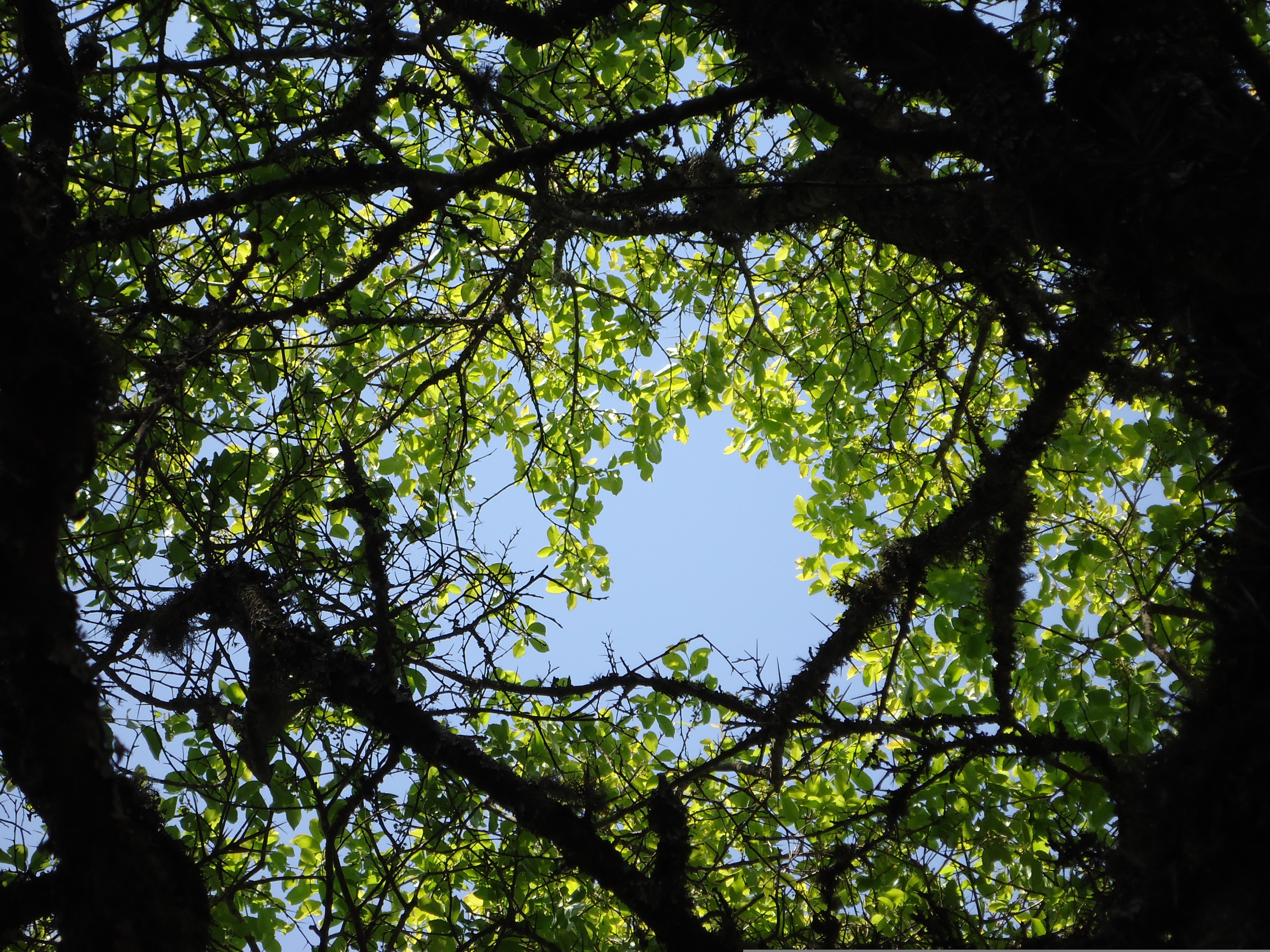
Meet Jordy: Master Naturalist Guide & Native Rainforest Expert at Manu Jungle Forever
Get to know Jordy, lead naturalist guide at Manu Jungle Forever. Born and raised in the heart of the Peruvian Amazon, discover his lifelong journey tracking jaguars, identifying hundreds of bird vocalizations, and sharing the secrets of Manu with travelers.
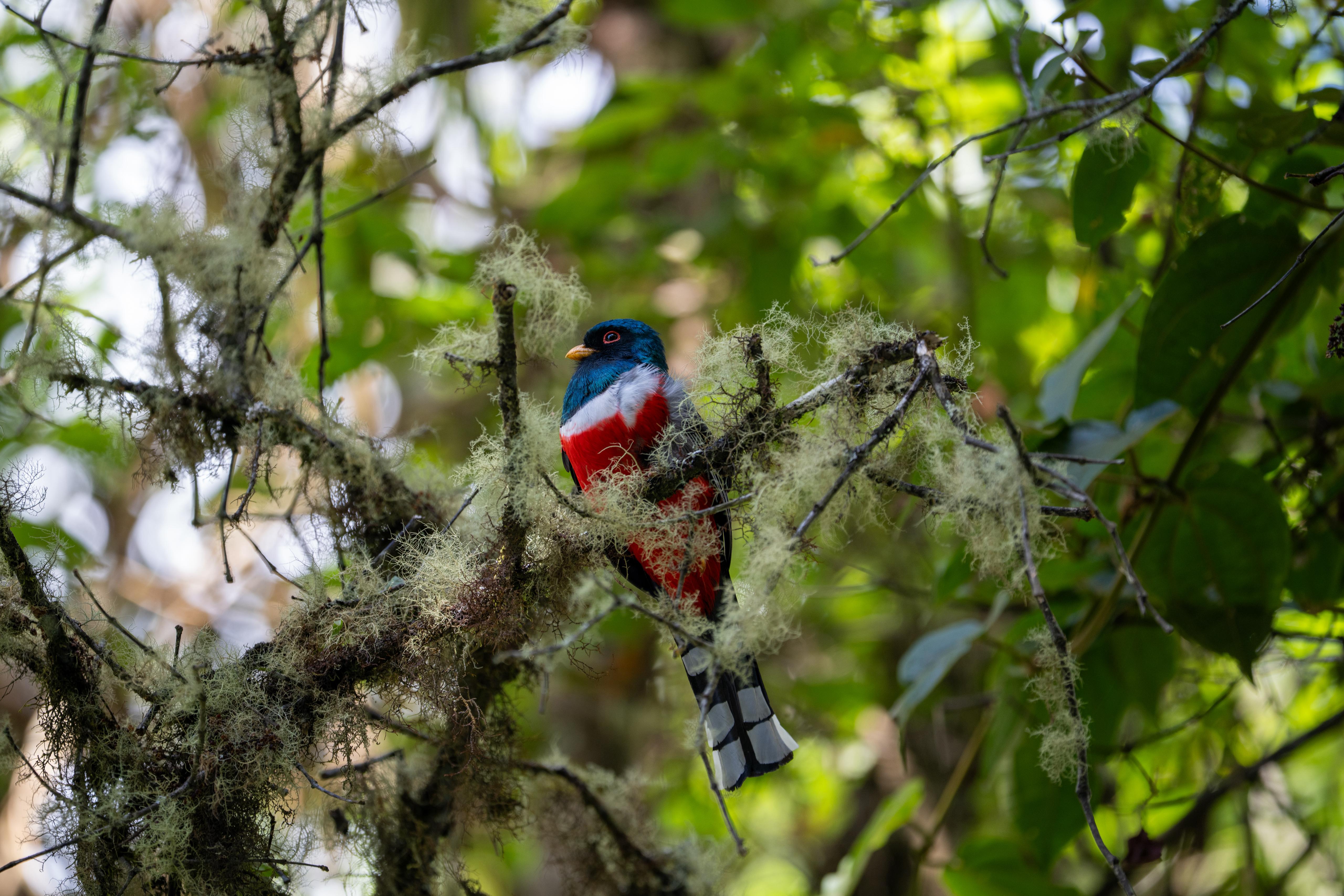
Why Visit Manu National Park? The Ultimate Amazon Wildlife Sanctuary
Discover why Manu National Park is widely recognized as the most biodiverse protected wilderness on Earth. From elusive jaguars and playful giant river otters to over 1,000 bird species and pristine cloud forests, explore why Manu is the pinnacle of authentic Amazon ecotourism.
Leave a Comment
We'd love to hear your thoughts! Share your questions, impressions, or travel experiences in Manu National Park.