

Climate Change in Manu National Park: Protecting the World's Most Vital Biosphere
The Rainforest at a Critical Crossroads
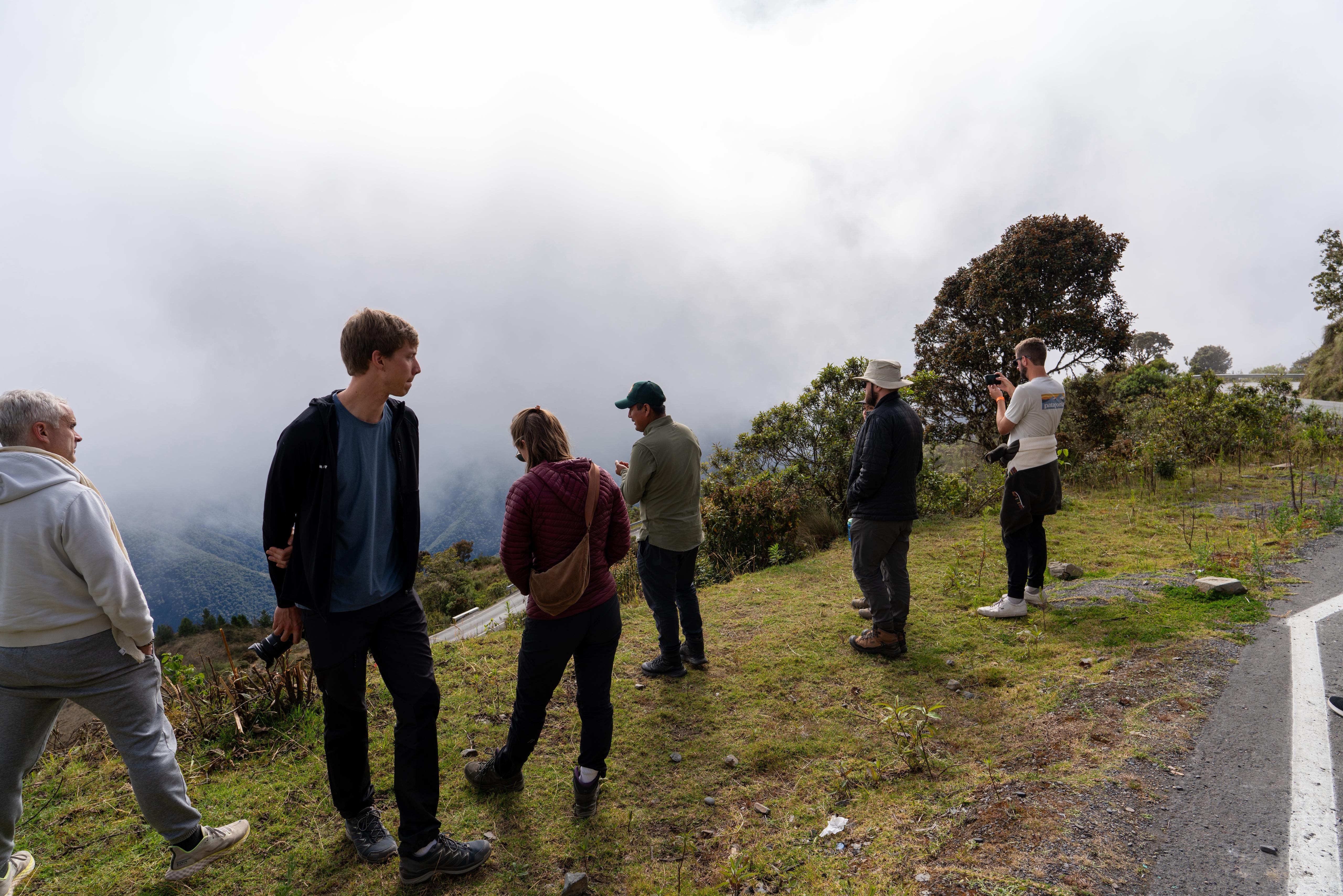
Spanning from the glaciated peaks of the eastern Peruvian Andes down to the vast lowland floodplain of the southwestern Amazon basin, Manu National Park is widely revered as the planet's ultimate biological sanctuary. Yet even this remote, UNESCO-protected wonderland is not immune to the far-reaching forces of global climate disruption.
As weather patterns become increasingly erratic, temperatures climb, and rainfall distributions shift, scientists and indigenous guardians in Manu are observing subtle, profound ecological responses.
Understanding how climate change impacts Manu—and why the park’s unique topography provides hope for resilience—is vital for every conscious traveler and conservationist.
1. The Global Importance of Manu as a Giant Carbon Reservoir
Tropical rainforests are the Earth's green lungs and primary terrestrial carbon sinks. Manu National Park protects over 1.7 million hectares (4.2 million acres) of contiguous, old-growth primary forest.
- Carbon Sequestration: The massive hardwood trees of Manu—including ancient Brazil nut (Bertholletia excelsa), cedar (Cedrela odorata), and kapok (Ceiba pentandra)—store an estimated hundreds of millions of metric tons of carbon.
- Hydrological Regulation: The transpiration of Manu’s billions of trees feeds "flying rivers"—massive atmospheric vapor currents that generate rainfall across South America, nourishing agriculture thousands of miles away in Argentina, Brazil, and Bolivia.
- Preventing Feedback Loops: Keeping Manu intact prevents the catastrophic release of carbon that occurs when tropical forests are degraded, logged, or burned.
2. The Unique "Elevational Elevator" Advantage
Most of the Amazon basin is relatively flat, meaning that as temperatures rise, flora and fauna must migrate thousands of kilometers toward the poles to find cooler conditions—a journey often blocked by agricultural clearing, roads, and cities.
Manu possesses a unique geographic superpower: an unbroken altitudinal gradient spanning from 300 meters to over 4,000 meters above sea level.
Biologists refer to this as the "Elevational Escape Hatch":
- As temperatures rise in the lowlands, mobile species of birds, insects, and mammals can shift their ranges upward into the cooler cloud forests of the Kosñipata Valley.
- Plant populations, while slower to migrate, can gradually disperse their seeds upslope over decades.
- Because there are no highways, cities, or farmland slicing through Manu’s elevation gradient, species can move freely through continuous forest cover.
This makes Manu one of the most climate-resilient wilderness corridors on the entire planet.
3. Emerging Challenges: What Scientists are Documenting
Despite its natural resilience, climate change poses specific threats that demand urgent attention and ongoing monitoring:
The Upward Squeeze on Cloud Forest Endemics
While lowland species can move uphill, species already adapted to the highest, coldest Andean dwarf forests have nowhere higher to go. Unique cloud forest frogs, high-altitude hummingbirds, and endemic orchids risk habitat compression as lower-elevation vegetation advances upslope.
Erratic Rain Cycles and River Fluctuations
Historically, the western Amazon experienced dependable wet and dry seasons. In recent years, rainfall has become more volatile. Intense flash floods during the rainy season can wash away riverbank nesting sites of yellow-spotted turtles and sandpipers, while prolonged droughts during the dry season reduce oxbow lake depths and increase wildfire vulnerabilities in peripheral zones.
Increased Temperature Pressure on Ectotherms
Tropical amphibians and reptiles are finely tuned to narrow temperature ranges. Rising ambient temperatures can disrupt breeding cycles, sex ratios in reptile eggs, and metabolic rates of delicate tree frogs.
4. How Community-Led Ecotourism Acts as a Frontline Defense
In the face of global environmental pressures, conservation cannot rely solely on legal decrees on paper. It requires active, human vigilance on the ground.
This is where ethical, community-rooted ecotourism plays a transformative role:
- Economic Alternative to Destructive Exploitation: In regions bordering Manu, the temptation of illegal gold mining, illicit coca cultivation, and predatory timber logging is real. By providing stable, well-compensated careers for local boat drivers, cooks, lodge managers, and guides, ecotourism renders conservation economically superior to extraction.
- Active Presence and Deterrence: Regular ecotourism river patrols along the Alto Madre de Dios and Manu rivers create a visible deterrent against illegal incursions, poaching, and unauthorized settlers.
- Direct Funding for Park Authorities: Every traveler entering the Manu Reserved Zone pays an official SERNANP park entrance fee that directly finances ranger salaries, remote control posts, and scientific monitoring.
5. What You Can Do as a Responsible Traveler
Traveling to the Amazon does not have to contribute to environmental degradation. By making deliberate choices, your expedition becomes a direct vote for global conservation:
- Choose 100% Local Operators: Travel with companies like Manu Jungle Forever that reinvest revenues directly into local native staff, sustainable lodge infrastructure, and low-impact operations.
- Minimize Single-Use Plastics: Bring refillable aluminum water bottles and water purification tablets/filters.
- Respect Wildlife Regulations: Maintain respectful distances, never feed or touch wild animals, and support non-intrusive observation techniques.
- Become a Global Voice: Share your experience, photos, and stories. The more the world knows about the irreplaceable value of Manu, the stronger the global consensus to protect it will be.
The Path Forward: Hope in the Forest
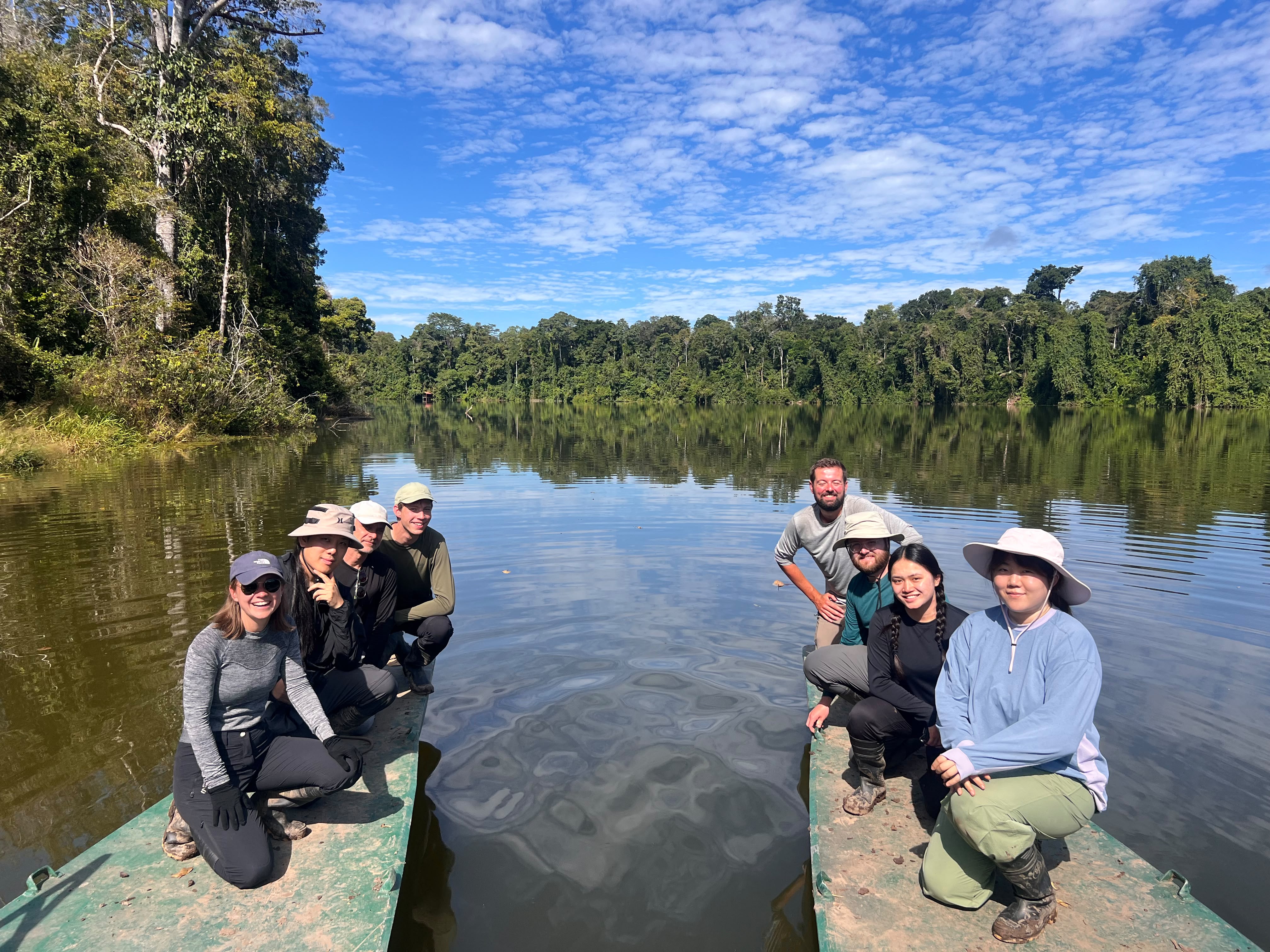
Manu National Park is a living testament to what the Earth looks like when nature is granted sovereignty. As humanity navigates the profound challenges of global climate change, safeguarding this ecological fortress is not an option—it is an imperative for our shared future.
Experience and Support Manu:
- Explore our Conservation-focused Expeditions
- Read more about How Tourism Helps Manu National Park
- Contact Our Team to plan your ethical rainforest voyage.
More Articles
Meet Jordy: Master Naturalist Guide & Native Rainforest Expert at Manu Jungle Forever
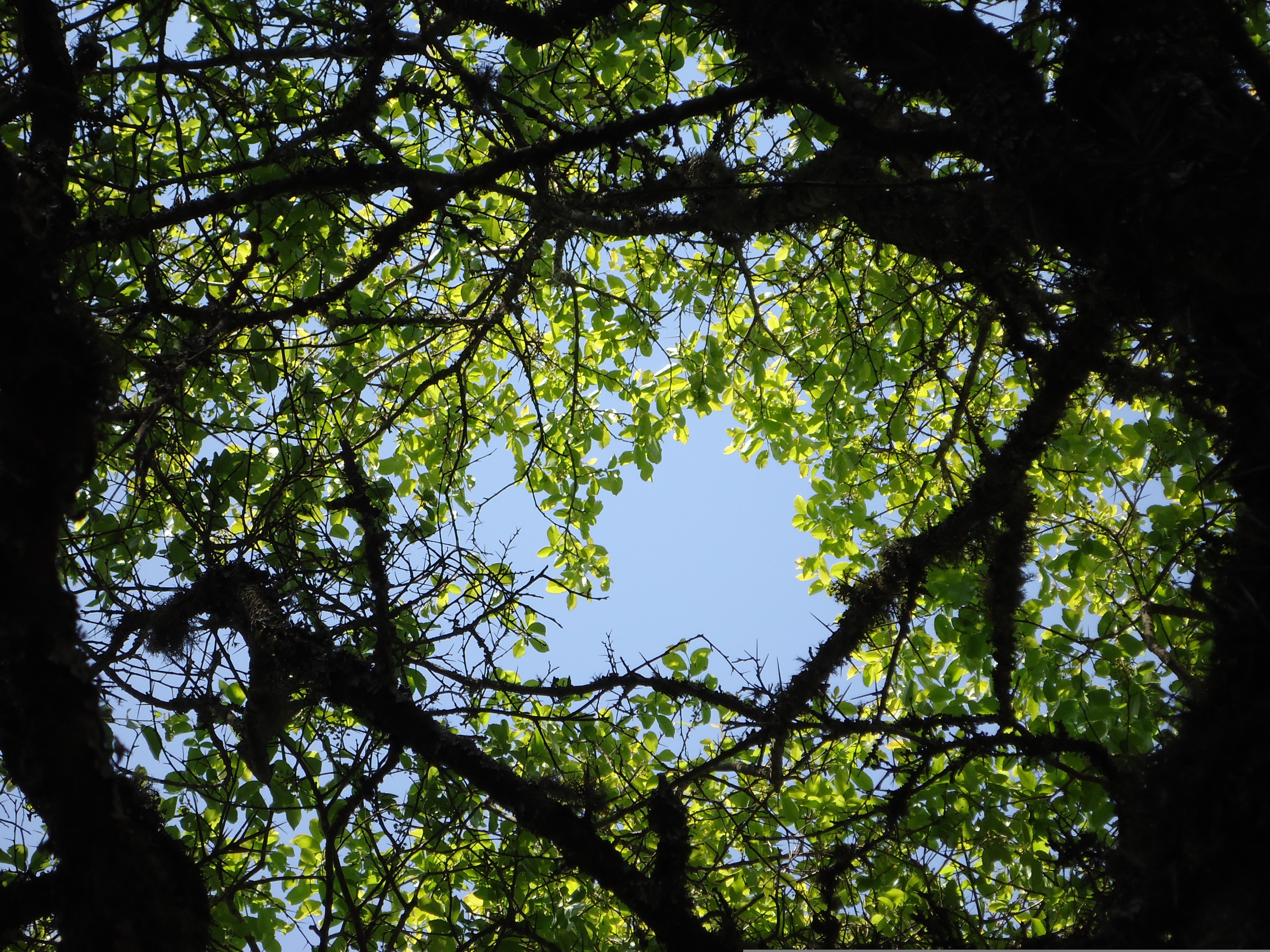
Get to know Jordy, lead naturalist guide at Manu Jungle Forever. Born and raised in the heart of the Peruvian Amazon, discover his lifelong journey tracking jaguars, identifying hundreds of bird vocalizations, and sharing the secrets of Manu with travelers.
How Sustainable Tourism Protects Manu National Park and Empowers Local Communities
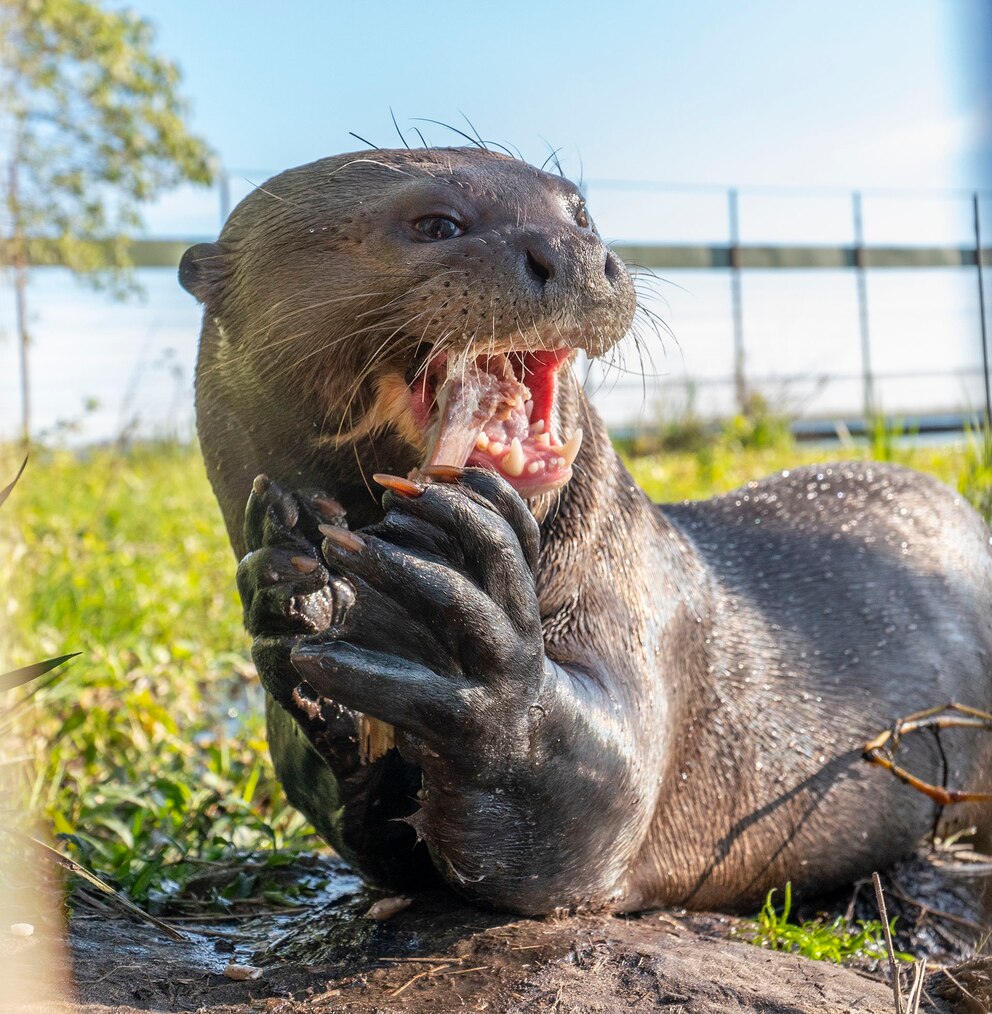
Explore the vital symbiotic relationship between ethical ecotourism and conservation in Manu. Learn how your journey finances park rangers, preserves ancestral indigenous territories, and creates an economic alternative to illegal deforestation and mining.
Leave a Comment
We'd love to hear your thoughts! Share your questions, impressions, or travel experiences in Manu National Park.