

Everything You Need to Know Before Visiting Machu Picchu: Complete 2026 Guide
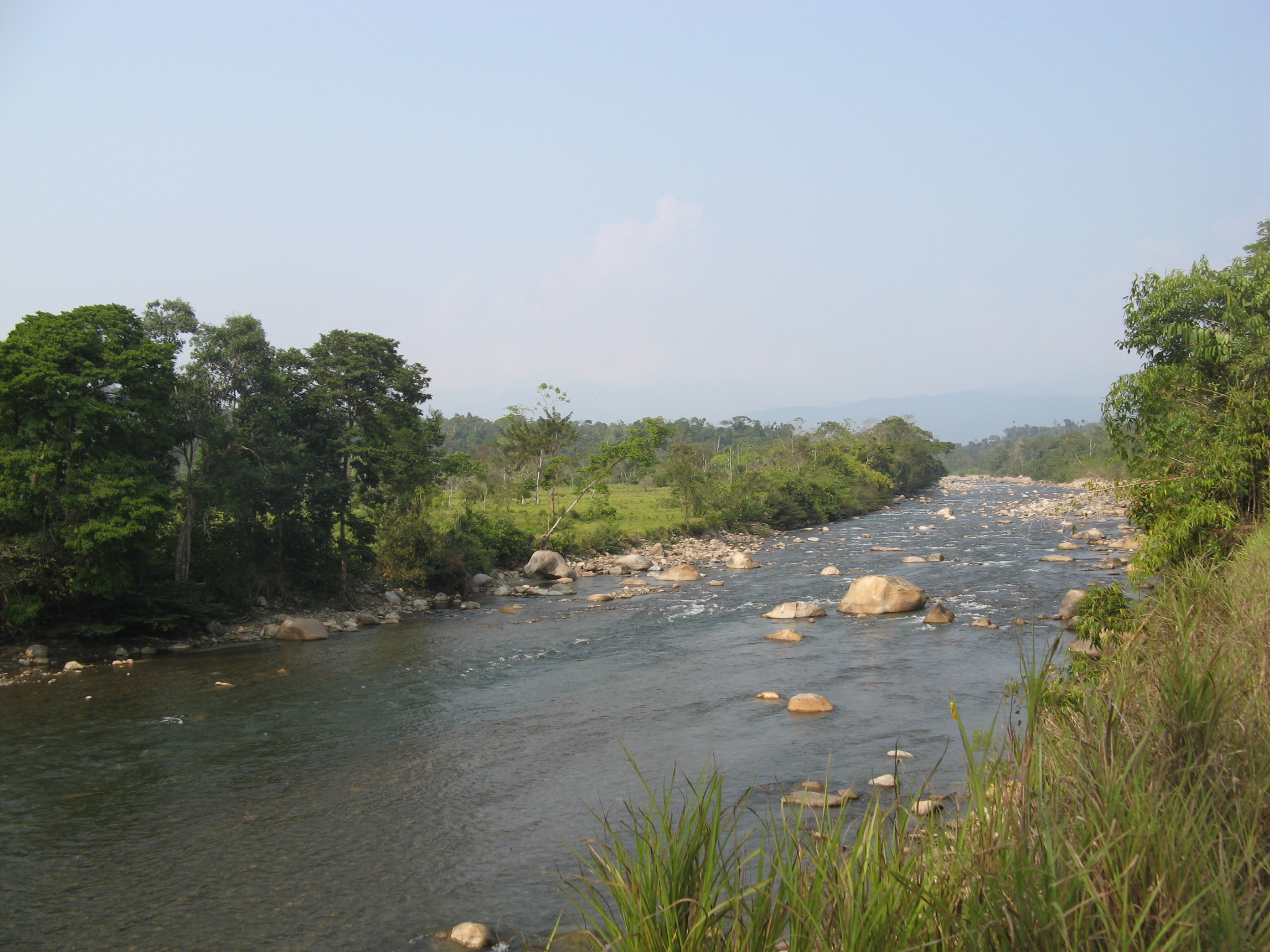
Unlocking the Wonder: The Definitive Machu Picchu Guide
Perched dramatically on a narrow granite ridge 2,430 meters (7,970 ft) above sea level, framed by soaring emerald peaks and embraced by the roaring Urubamba River, Machu Picchu remains the crowning jewel of South American travel.
Yet, visiting this 15th-century Incan citadel requires more foresight and planning than ever before. Strict visitor caps, timed entry tickets, mandatory designated circuits, and high-demand train schedules mean that spontaneous visits are virtually impossible.
Whether you are traveling independently or combining your Incan pilgrimage with an Amazon rainforest expedition to Manu National Park, here is everything you need to know before visiting Machu Picchu.
1. Understanding the New Circuit System (Circuits 1, 2, and 3)
In recent years, the Peruvian Ministry of Culture overhauled the entrance system to preserve the delicate masonry of the archaeological sanctuary. Visitors can no longer wander freely; you must select a specific circuit when buying your ticket:
Circuit 1 (Panoramic Circuits)
- What it covers: The upper terraces overlooking the citadel.
- Best for: The classic postcard panoramic photo of Machu Picchu with Huayna Picchu towering in the background. Includes optional hikes to the Sun Gate (Inti Punku) or the Inca Bridge.
- Limitation: Does not allow access into the inner stone buildings or central plaza.
Circuit 2 (The Classic Comprehensive Circuit)
- What it covers: Both the upper terrace panoramic viewpoints AND the complete walk through the central urban sector: the Temple of the Sun, the Sacred Rock, the Main Plaza, and the Royal Quarters.
- Verdict: This is the gold standard ticket for first-time visitors. It sells out months in advance.
Circuit 3 (The Lower Royalty Circuit & Mountain Climbs)
- What it covers: The lower agricultural terraces and water mirrors, plus access to hike Huayna Picchu mountain or the Huchuy Picchu peak.
- Best for: Active hikers wanting to climb the steep peaks, or travelers with limited mobility who want to avoid the steep stairs of the upper terraces.
Crucial Tip: Purchase your Machu Picchu entry tickets at least 3 to 4 months in advance (especially for visits between May and October). Tickets are tied to your full name and passport number and are non-transferable.
2. How to Get to Machu Picchu: Transport Logistics
Machu Picchu is located above the town of Aguas Calientes (Machu Picchu Pueblo), which has no road connection to Cusco. You have two primary ways to reach it:
Option A: The Scenic Train (Most Popular & Comfortable)
- Drive from Cusco to Ollantaytambo: A scenic 1.5-hour private transfer through the Sacred Valley of the Incas.
- Train to Aguas Calientes: An unforgettable 1.5-hour train journey (operated by PeruRail or Inca Rail) descending along the Urubamba canyon into lush sub-tropical vegetation.
- Consettur Shuttle Bus: A 25-minute switchback bus ride climbing from Aguas Calientes town up to the citadel entrance gates.
Option B: Multi-Day Trekking (Inca Trail / Salkantay)
For avid hikers, world-renowned multi-day treks culminate at Machu Picchu:
- The Classic 4-Day Inca Trail: Requires permits booked 6+ months in advance.
- The Salkantay Trek (5 Days): A breathtaking high-altitude alternative crossing alpine passes before descending into coffee plantations.
3. Altitude Sickness and Acclimatization Strategy
A common mistake travelers make is worrying about altitude at Machu Picchu itself. Machu Picchu sits at 2,430 meters (7,970 ft)—significantly lower than Cusco (3,400m / 11,150 ft).
Most travelers feel altitude sickness (soroche) upon landing at the Cusco airport. Here is how to acclimatize smoothly:
- Rest on Day 1: Do not schedule strenuous tours on your first afternoon in Cusco. Drink plenty of water and traditional coca leaf tea (mate de coca).
- Head Down to the Sacred Valley: Consider spending your first two nights in Urubamba (2,870m) or Ollantaytambo (2,792m), where lower elevations make acclimatization effortless.
- Stay Hydrated & Eat Light: Digestion slows down at high altitude; avoid heavy red meat and excessive alcohol during your first 48 hours.
4. The Ultimate Peru Itinerary: Combining the Andes and the Amazon
Many travelers wonder whether they can combine Machu Picchu with an Amazon rainforest adventure. Not only is it possible—it is the ultimate Peru travel experience.
Cusco serves as the shared geographic crossroads for both worlds:
- To the northwest lies the Sacred Valley and Machu Picchu.
- To the northeast lies the descent into Manu National Park.
The Perfect 10-to-12 Day Peru Blueprint:
- Days 1–2: Arrive in Cusco, relax, and explore the ancient Incan cobblestone streets.
- Day 3: Scenic train to Aguas Calientes and overnight near the hot springs.
- Day 4: Early morning exploration of Machu Picchu (Circuit 2); afternoon return train to Cusco.
- Days 5–10: Embark on a 6-day or 7-day Manu Reserve Zone Expedition into the heart of the Amazon.
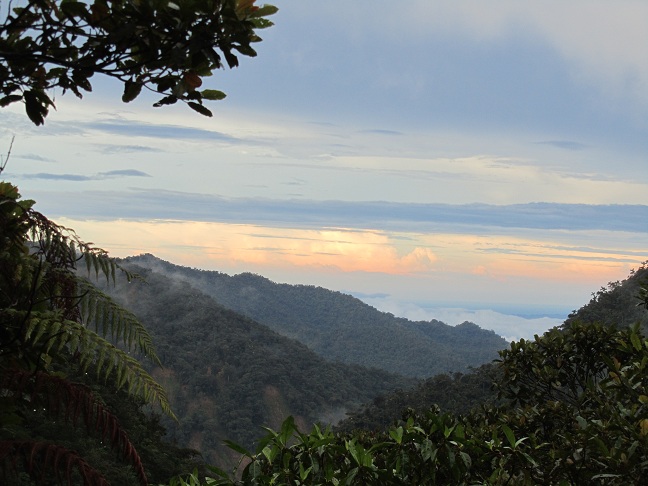
Transitioning directly from the stone sanctuaries of the Incas into the wild canopy of Manu provides an unforgettable contrast between human architectural genius and the raw, untamed power of nature.
5. Vital Rules and Prohibited Items at the Citadel
To protect the archaeological ruins, strict park rules are enforced at the checkpoint:
- Original Passport Required: Digital photos or photocopies are not accepted; you must present your physical passport matching your ticket name.
- No Walking Sticks Without Rubber Tips: Metal trekking poles are confiscated at the gate unless fitted with rubber protective caps.
- No Large Backpacks: Daypacks must not exceed 40 x 35 x 20 cm. Larger bags must be checked in lockers outside for a small fee.
- No Drones, Tripods, or Professional Video Rigs: Handheld cameras and phones are permitted; tripods require special commercial permits.
- Hire a Licensed Guide: Having an official guide brings the ruins to life, decoding the astronomical alignments, water channels, and spiritual significance of the temples.
Plan Your Dream Journey with Manu Jungle Forever
While we specialize in deep Amazonian expeditions to Manu National Park, our Cusco team helps travelers coordinate their entire Peruvian journey seamlessly.
- Explore our Guided Manu Tours
- Review our Upcoming Departures
- Contact Our Cusco Office to link your Machu Picchu adventure with an authentic Amazon expedition.
More Articles
Meet Jordy: Master Naturalist Guide & Native Rainforest Expert at Manu Jungle Forever
Get to know Jordy, lead naturalist guide at Manu Jungle Forever. Born and raised in the heart of the Peruvian Amazon, discover his lifelong journey tracking jaguars, identifying hundreds of bird vocalizations, and sharing the secrets of Manu with travelers.

How Sustainable Tourism Protects Manu National Park and Empowers Local Communities
Explore the vital symbiotic relationship between ethical ecotourism and conservation in Manu. Learn how your journey finances park rangers, preserves ancestral indigenous territories, and creates an economic alternative to illegal deforestation and mining.
Leave a Comment
We'd love to hear your thoughts! Share your questions, impressions, or travel experiences in Manu National Park.