

5 Irresistible Reasons to Visit Manu National Park: Peru’s Wildest Frontier
Why Manu Stands Apart Among Amazon Destinations
Planning a trip to the Peruvian Amazon immediately presents travelers with a dilemma: should you head to the busy lodges around Iquitos, the accessible reserves of Tambopata, or venture deep into Manu National Park?
While every corner of the Amazon holds wonders, travelers who crave authentic wilderness, pristine habitats, and serious wildlife observation consistently name Manu as the ultimate rainforest experience. Here are the 5 irresistible reasons why Manu National Park should claim the top spot on your South American bucket list.
1. Undisputed Global Biodiversity Champion
Manu is not just biodiverse—it is officially recognized as one of the most biologically dense natural areas on planet Earth. Because it safeguards an unbroken continuum of ecosystems from 4,000 meters in the high Andes down to the Amazonian lowlands at 300 meters, speciation here has reached dizzying heights.
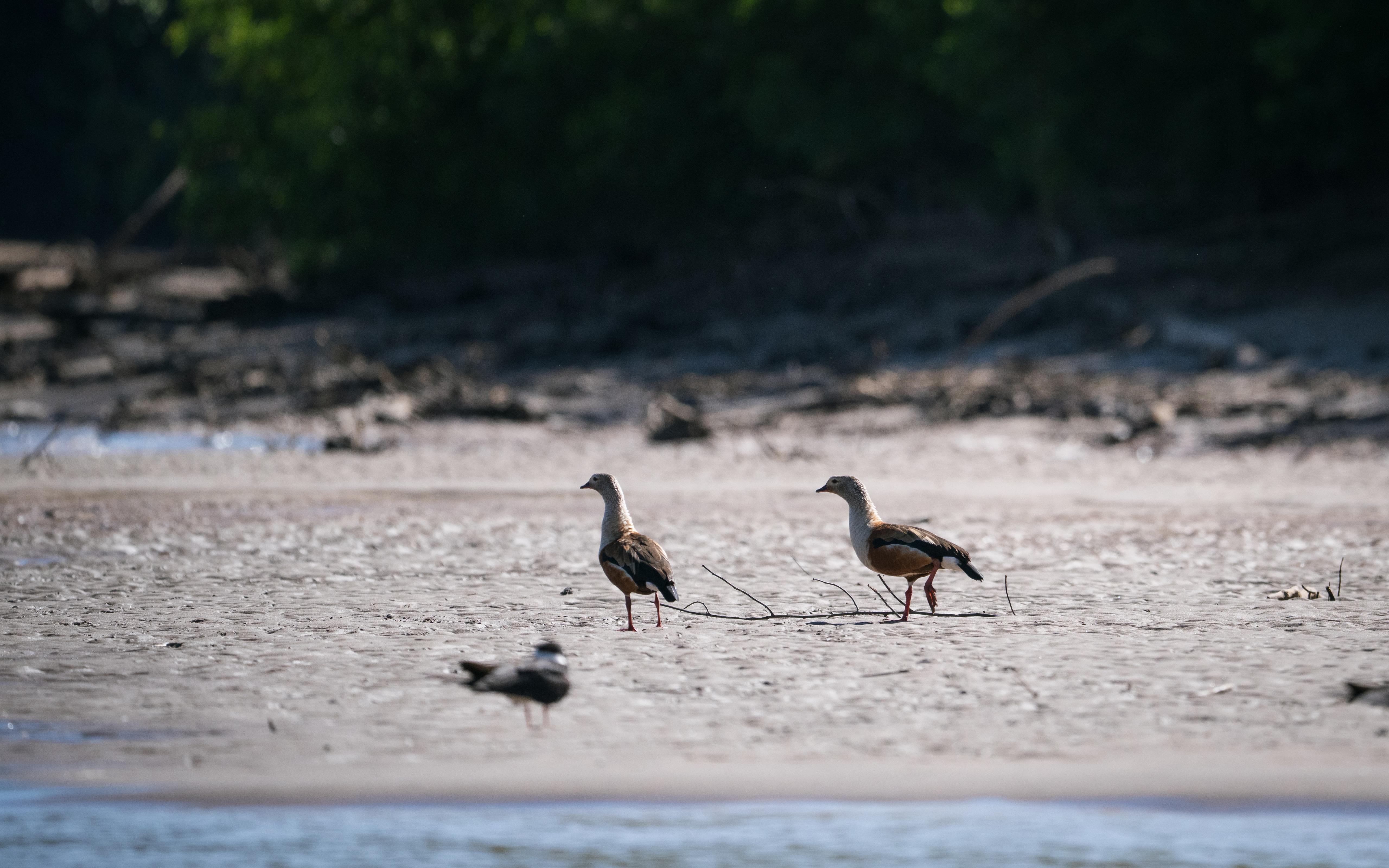
- Avian Paradise: With more than 1,000 bird species recorded, Manu harbors roughly 10% of the world’s bird life. On a single week-long tour, an alert traveler can comfortably tally over 250 to 350 distinct bird species.
- Mammal Abundance: Home to 222 mammal species, including 14 primates. Watching a troop of Emperor Tamarins with their whimsical white mustaches or hearing the deafening dawn territorial roars of Red Howler Monkeys will redefine your connection to nature.
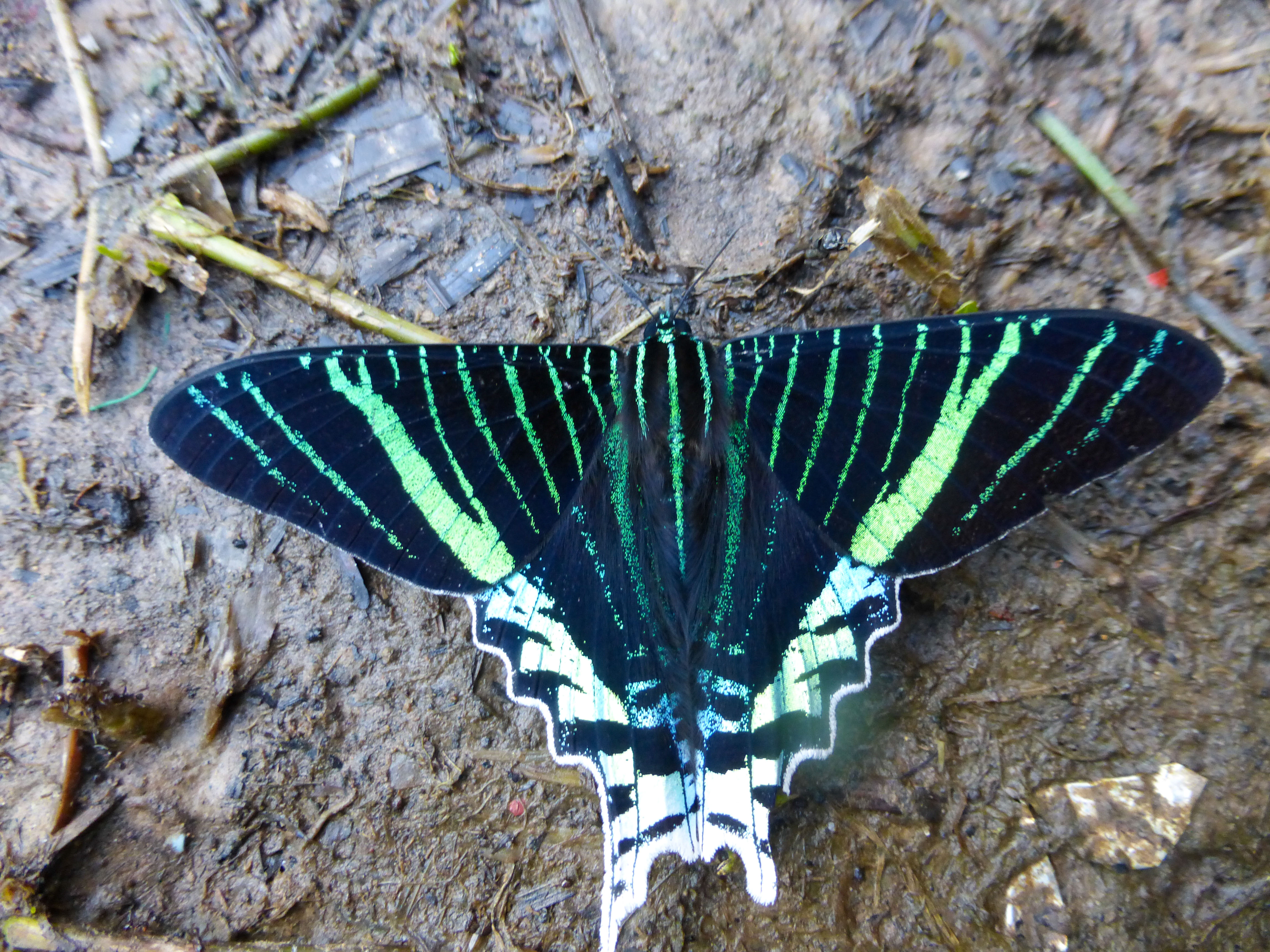
- Record-Breaking Micro-Life: Surveys in Manu have revealed more than 1,200 species of butterflies and tens of thousands of insect species—many of which remain unnamed by modern science.
When you explore Manu, you are not visiting an island of forest surrounded by soy farms or cattle ranches; you are immersed in a colossal, functioning planetary ecosystem.
2. Intact Ecosystems Without Mass Tourism
Unlike popular ecotourism hubs where dozens of boats crowd around the same wildlife sighting, Manu enforces strict visitor quotas and rigorous zoning regulations administered by SERNANP.
In the Manu Reserved Zone, only a handful of authorized operators are permitted to enter. The rivers feel tranquil and vast. As your motorized canoe glides along the sandy banks of the Manu River, the only sounds are the whistling calls of sandpipers, the guttural croak of horned screamers, and the gentle lapping of water against cedar hulls.
This lack of environmental pressure means wildlife in Manu behaves naturally. Animals have not been habituated or stressed by mass crowds, offering you genuine, non-intrusive wildlife photography and observation.
3. Real Opportunities to Spot Apex Predators
Seeing a predator at the top of the food chain requires healthy populations of prey species and undisturbed territory. Manu is one of the few places in South America where encounters with apex predators are genuine possibilities during an expedition:
The Majestic Jaguar (Panthera onca)
During the dry months between May and October, jaguars regularly descend to the riverbanks of the Manu and Madre de Dios rivers to hunt and warm themselves under the morning sun. Boat journeys through the Reserved Zone offer some of the highest statistical chances of daytime jaguar sightings in all of South America.
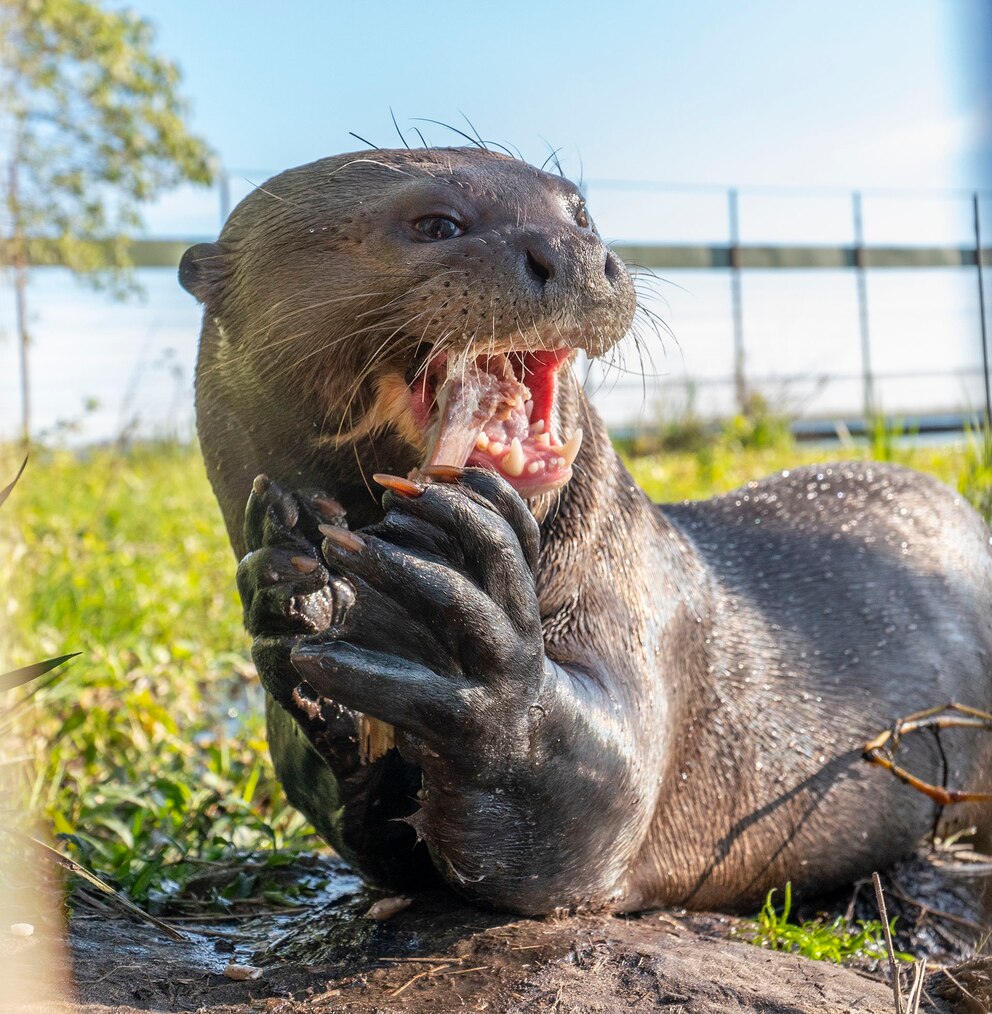
The Giant River Otter (Pteronura brasiliensis)
Reaching up to 1.8 meters (nearly 6 feet) in length, Giant River Otters are the apex aquatic predators of Amazonian oxbow lakes. Their curiosity, playful social dynamics, and coordinated group fishing techniques make them an absolute highlight of every visit to Cocha Salvador.
The Black Caiman (Melanosuchus niger)
Growing up to 5 meters in length, this prehistoric reptile was hunted near extinction across the Amazon for its leather. In the strictly guarded lakes of Manu, healthy populations have made a spectacular recovery, frequently seen resting along marshy shores.
4. The Spectacular "Andes to Amazon" Journey
Most Amazon trips begin with a short commercial flight directly to a lowland airport. Traveling to Manu from Cusco, however, is a world-class overland expedition in its own right.
You begin in the dry Andean highlands, cross the high pass at Acjanaco (3,560m), and descend down the legendary Manu Road into the lush Cloud Forest:
- High Altitude Puna: Cold winds, stone chullpas (pre-Inca burial towers), and Andean raptors.
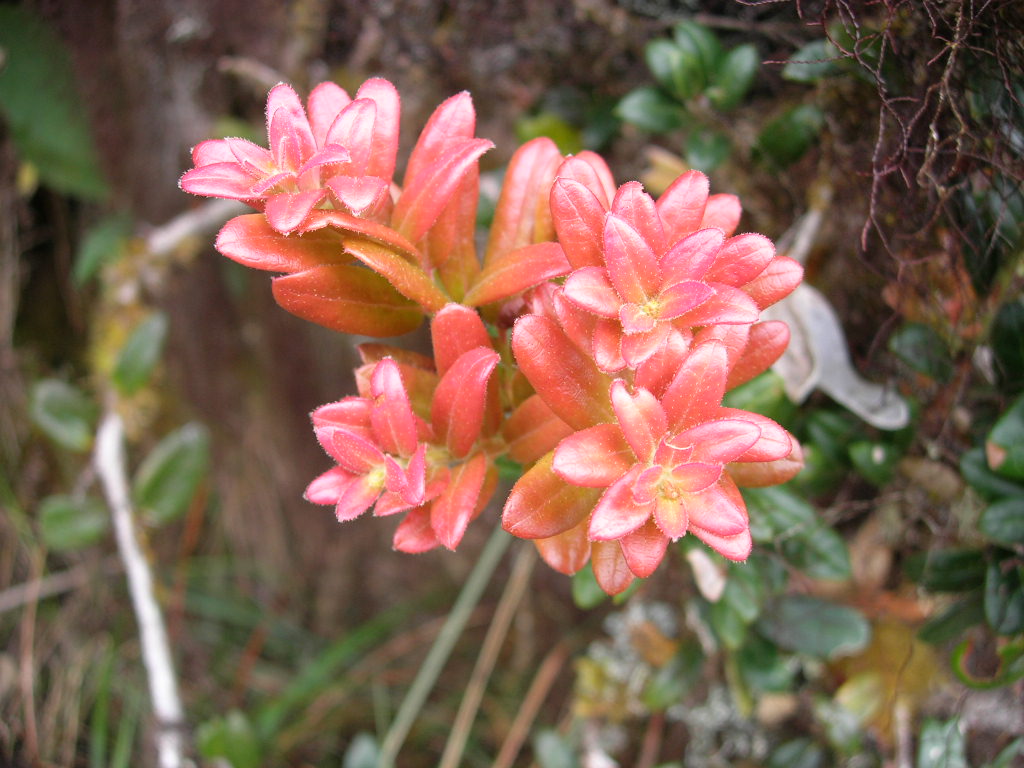
- Cloud Forest: Cascading waterfalls, wild begonias, giant tree ferns, and the dramatic mating lek of the bright orange Andean Cock-of-the-rock.
- Piedmont Foothills: Where mountain streams converge into wide jungle rivers, and tropical temperatures welcome you to the lowlands.
This geographical gradient allows you to witness firsthand how elevation dictates the distribution of life on our planet.
5. Genuine Conservation and Community Empowerment
When you visit Manu with a locally rooted company like Manu Jungle Forever, your travel dollars serve as a direct economic bulwark protecting the forest:
- Ecotourism as an Alternative to Exploitation: Tourism provides sustainable, dignified income for local boat captains, cooks, lodge staff, and naturalist guides, making illegal logging and gold mining economically unattractive.
- Indigenous Partnership: Manu preserves the ancestral lands of the Matsigenka, Yine, and Harakbut nations. Ethical tourism respects their autonomy, supports local cultural initiatives, and honors their generational understanding of the forest.
- Ranger Support: Park entrance fees directly finance SERNANP rangers and biological monitoring posts throughout the reserve.
Summary: Is Manu Right for You?
If you are looking for air-conditioned luxury resorts with swimming pools and paved walkways, Manu may not be your first choice. But if you seek:
- Pristine, untouched primary rainforest
- Unmatched biodiversity and rare wildlife encounters
- A real sense of wilderness exploration
- Ethical travel with experienced native guides
Then Manu National Park is unequivocally the finest Amazon adventure on Earth.
Start Planning Your Expedition:
- View our Manu Reserve Zone 7D/6N Tour
- Explore the 8-Day Manu & Blanquillo Macaw Clay Lick Itinerary
- Contact Manu Jungle Forever to tailor your private journey.
More Articles
Meet Jordy: Master Naturalist Guide & Native Rainforest Expert at Manu Jungle Forever
Get to know Jordy, lead naturalist guide at Manu Jungle Forever. Born and raised in the heart of the Peruvian Amazon, discover his lifelong journey tracking jaguars, identifying hundreds of bird vocalizations, and sharing the secrets of Manu with travelers.
How Sustainable Tourism Protects Manu National Park and Empowers Local Communities
Explore the vital symbiotic relationship between ethical ecotourism and conservation in Manu. Learn how your journey finances park rangers, preserves ancestral indigenous territories, and creates an economic alternative to illegal deforestation and mining.
Leave a Comment
We'd love to hear your thoughts! Share your questions, impressions, or travel experiences in Manu National Park.