

What to See in the Peruvian Amazon: The Definitive 2026 Wildlife & Nature Guide
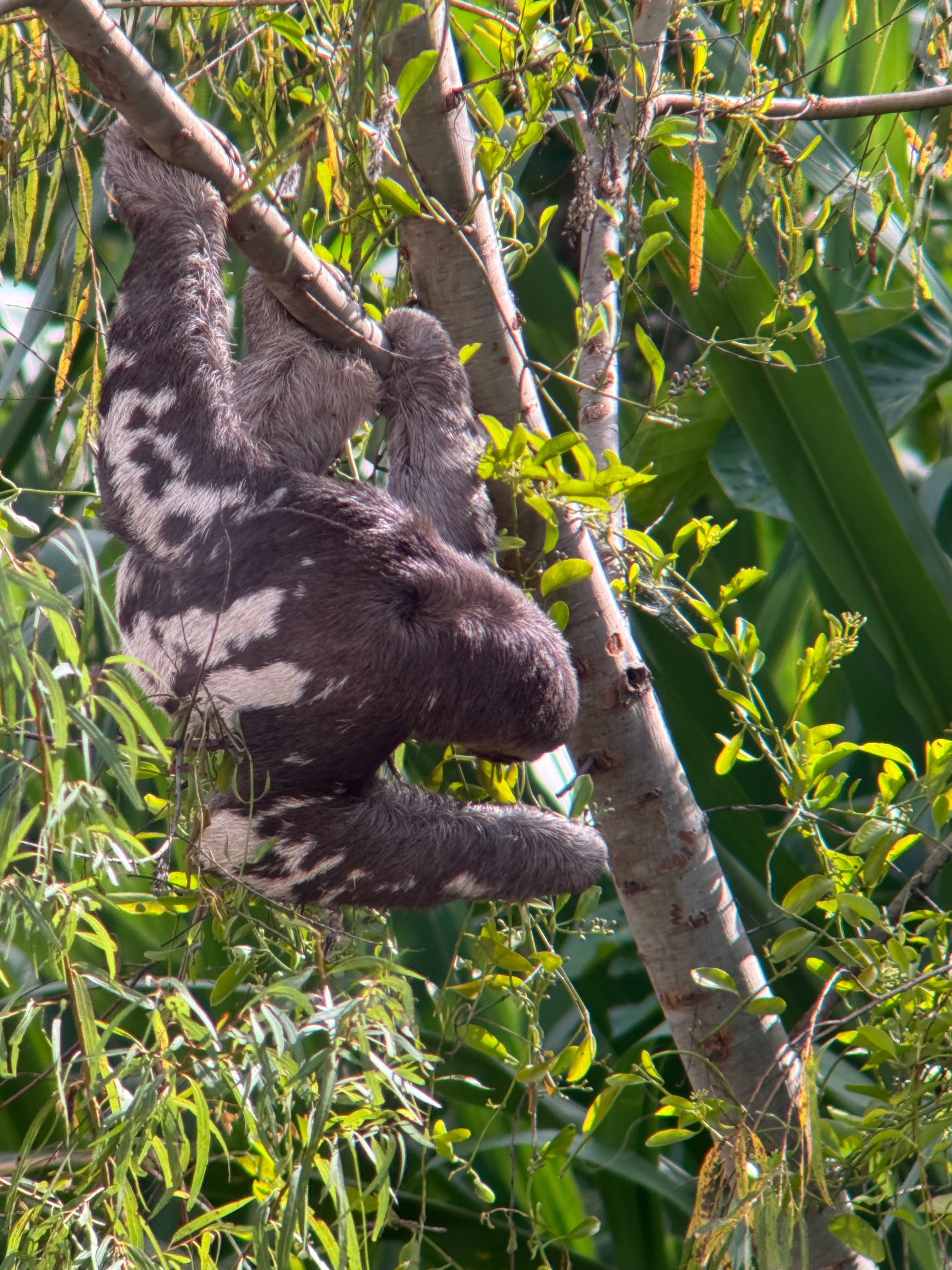
What Awaits You in the Peruvian Amazon?
The Amazon rainforest in Peru is an ecological wonderland of mythical proportions. Covering more than 60% of the country's national territory, Peru holds the second-largest portion of the Amazon basin after Brazil—and arguably its most biodiverse and pristine sector.
For travelers planning a voyage in 2026, knowing what to look for, where to look, and how to interpret the subtle signs of the jungle can turn an ordinary tour into an extraordinary life experience. Here is your definitive field guide to the wildlife, plants, river ecosystems, and cultural wonders you will encounter in the Peruvian Amazon.
1. Iconic Mammals of the Rainforest
Spotting mammals in the dense foliage of primary tropical forest requires patience, silence, and an expert tracker. Here are the signature species to watch for:
The Jaguar (Panthera onca)
The king of South American predators. With powerful rosettes and stocky muscular builds, jaguars inhabit river margins where they stalk capybaras, tapirs, and caimans. In protected regions like Manu National Park, sightings along sunny beaches are particularly frequent between June and September.
The South American Tapir (Tapirus terrestris)
The largest native land mammal in South America, weighing up to 250 kg (550 lbs). Nocturnal and shy, tapirs love wallowing in mineral-rich mud wallows (colpas de tapir). Specialized hides, such as the one at Blanquillo, allow travelers to view them silently under night spotlights.
Primate Troops in the Canopy
The Peruvian Amazon is home to a spectacular diversity of monkeys:
- Red Howler Monkeys: Their low-frequency territorial calls can be heard echoing through the canopy over 3 miles away at dawn.
- Black Spider Monkeys: Master acrobats of the high canopy with prehensile tails acting as fifth limbs.
- Emperor Tamarins: Easily identified by their distinguished handlebar white mustaches.
- Squirrel Monkeys & Capuchins: Agile, social primates that frequently travel in noisy mixed-species feeding troops through the mid-canopy.
Capybaras (Hydrochoerus hydrochaeris)
The world's largest rodent, capybaras gather in family groups along riverbanks and sandbars. They are semi-aquatic herbivores and a favored prey of jaguars and anacondas.
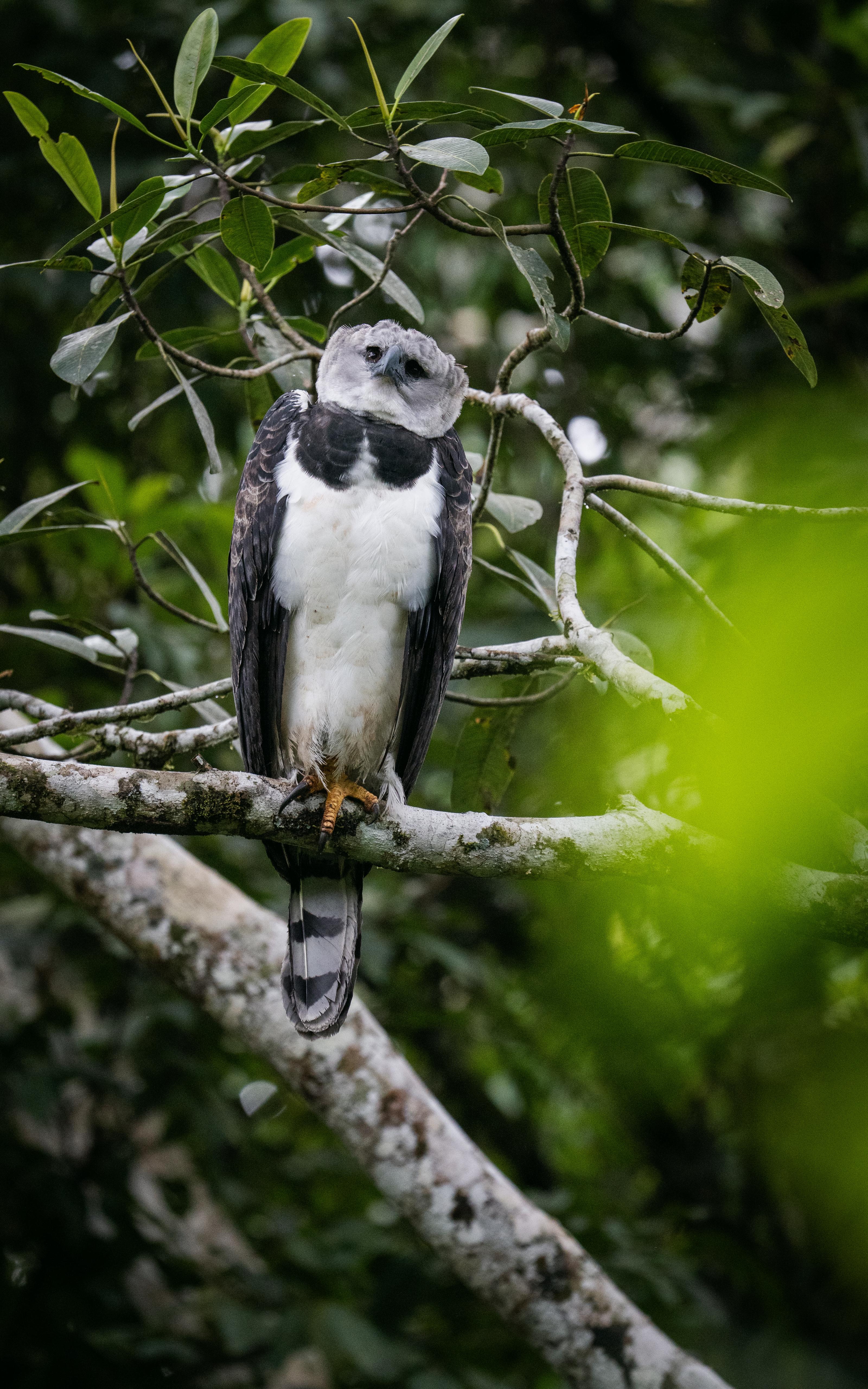
2. Avian Marvels and the Clay Lick Phenomenon
With over 1,800 bird species recorded in Peru, the Amazonian lowlands and Andean foothills provide the greatest birdwatching on the planet.
Macaw & Parrot Clay Licks (Colpas)
One of nature’s greatest visual spectacles occurs at dawn along exposed red clay riverbanks. Hundreds of Red-and-green Macaws, Scarlet Macaws, Blue-and-yellow Macaws, and diverse parakeets gather to ingest sodium-rich clay that neutralizes dietary toxins from rainforest seeds.
- Top location: The Blanquillo Macaw Clay Lick in the Madre de Dios region.
The Bizarre Hoatzin (Opisthocomus hoazin)
Found exclusively around oxbow lakes, this prehistoric bird has unfeathered blue facial skin, a ragged crest, and feeds strictly on leaves, fermenting them in a specialized crop. Chicks are born with functional claws on their wings—an evolutionary throwback to dinosaur ancestors.
Toucans and Aracaris
Famous for their oversized, colorful bills, species like the White-throated Toucan, Chestnut-eared Aracari, and Emerald Toucanet feed on high canopy fruits and can be spotted from canopy observation towers.
3. Aquatic Life in Oxbow Lakes and Meandering Rivers
Rainforest rivers are living highways, and the oxbow lakes (cochas) left behind by changing river courses harbor rich aquatic ecosystems:
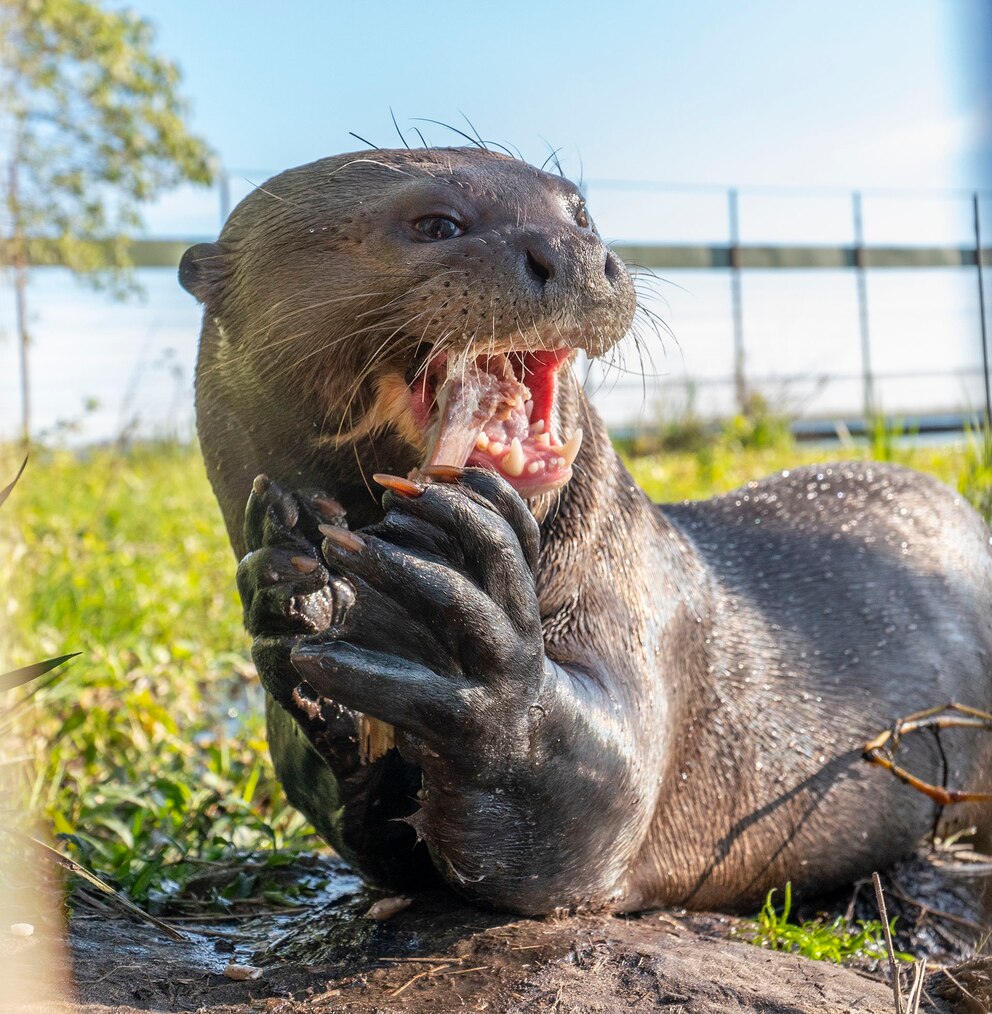
- Giant River Otters (Pteronura brasiliensis): Social carnivores reaching up to 6 feet in length, known locally as Lobos de Río. Watching them fish and crunch catfish heads from a wooden catamaran is unforgettable.
- Black Caimans & Spectacled Caimans: The apex crocodilians of the Amazon. At night, their eyes glow bright amber under flashlight beams.
- Pink River Dolphins & Grey Dolphins: Found in deeper lowlands, these intelligent mammals navigate flooded forests and river confluences.
- Paiche / Pirarucu (Arapaima gigas): One of the largest freshwater fish in the world, growing over 2.5 meters long with armor-like scales.
4. Botanical Wonders: Ancient Giants of the Jungle
The flora of the Peruvian Amazon is a pharmacy and an architectural marvel:
| Plant / Tree Species | Distinctive Feature | Ecological & Human Use |
|---|---|---|
| Ceiba / Kapok (Ceiba pentandra) | Massive buttress roots, up to 60m tall | Sacred tree to native cultures; canopy shelter for birds |
| Walking Palm (Socratea exorrhiza) | Stilt roots elevated above the soil | Roots adjust position over years toward light openings |
| Ayahuasca (Banisteriopsis caapi) | Woody woody sacred vine | Core ceremonial plant in native Amazonian cosmology |
| Uña de Gato (Cat's Claw) | Hooked climbing vine | Globally revered medicinal plant with anti-inflammatory properties |
| Strangler Fig (Ficus aurea) | Aerial roots that encase host trees | Forms hollow living sculptures once the host tree decomposes |
5. Night Safaris: The Nocturnal Symphony
When darkness falls across the Amazon, a completely different cast of creatures awakens:
- Bioluminescent Life: Glowing click beetles, phantom fireflies, and luminous foxfire fungus lighting the forest floor.
- Tree Frogs: Poison dart frogs with vibrant warning colors, giant Monkey Frogs (Phyllomedusa bicolor), and delicate glass frogs.
- Arachnids & Insects: Pink-toed tarantulas, whip scorpions, praying mantises disguised as dead leaves, and lantern flies.
Summary Checklist for Your 2026 Amazon Expedition
To see the absolute best of the Peruvian Amazon:
- Choose an undisturbed conservation corridor: Manu National Park and its Reserved Zone offer far higher wildlife densities than secondary forests.
- Travel with native-born naturalist guides: Local trackers know how to read fresh tracks, identify hundreds of bird calls, and spot camouflaged wildlife.
- Spend at least 5 to 8 days: Wildlife encounters require patience and morning/evening boat outings.
Plan Your Amazon Safari with Experts:
- Explore our 6-Day Manu Expedition
- Discover the Manu Reserve Zone & Blanquillo 9D/8N Tour
- Contact Manu Jungle Forever to reserve your adventure today.
More Articles
Meet Jordy: Master Naturalist Guide & Native Rainforest Expert at Manu Jungle Forever
Get to know Jordy, lead naturalist guide at Manu Jungle Forever. Born and raised in the heart of the Peruvian Amazon, discover his lifelong journey tracking jaguars, identifying hundreds of bird vocalizations, and sharing the secrets of Manu with travelers.
How Sustainable Tourism Protects Manu National Park and Empowers Local Communities
Explore the vital symbiotic relationship between ethical ecotourism and conservation in Manu. Learn how your journey finances park rangers, preserves ancestral indigenous territories, and creates an economic alternative to illegal deforestation and mining.
Leave a Comment
We'd love to hear your thoughts! Share your questions, impressions, or travel experiences in Manu National Park.