

Why Visit Manu National Park? The Ultimate Amazon Wildlife Sanctuary
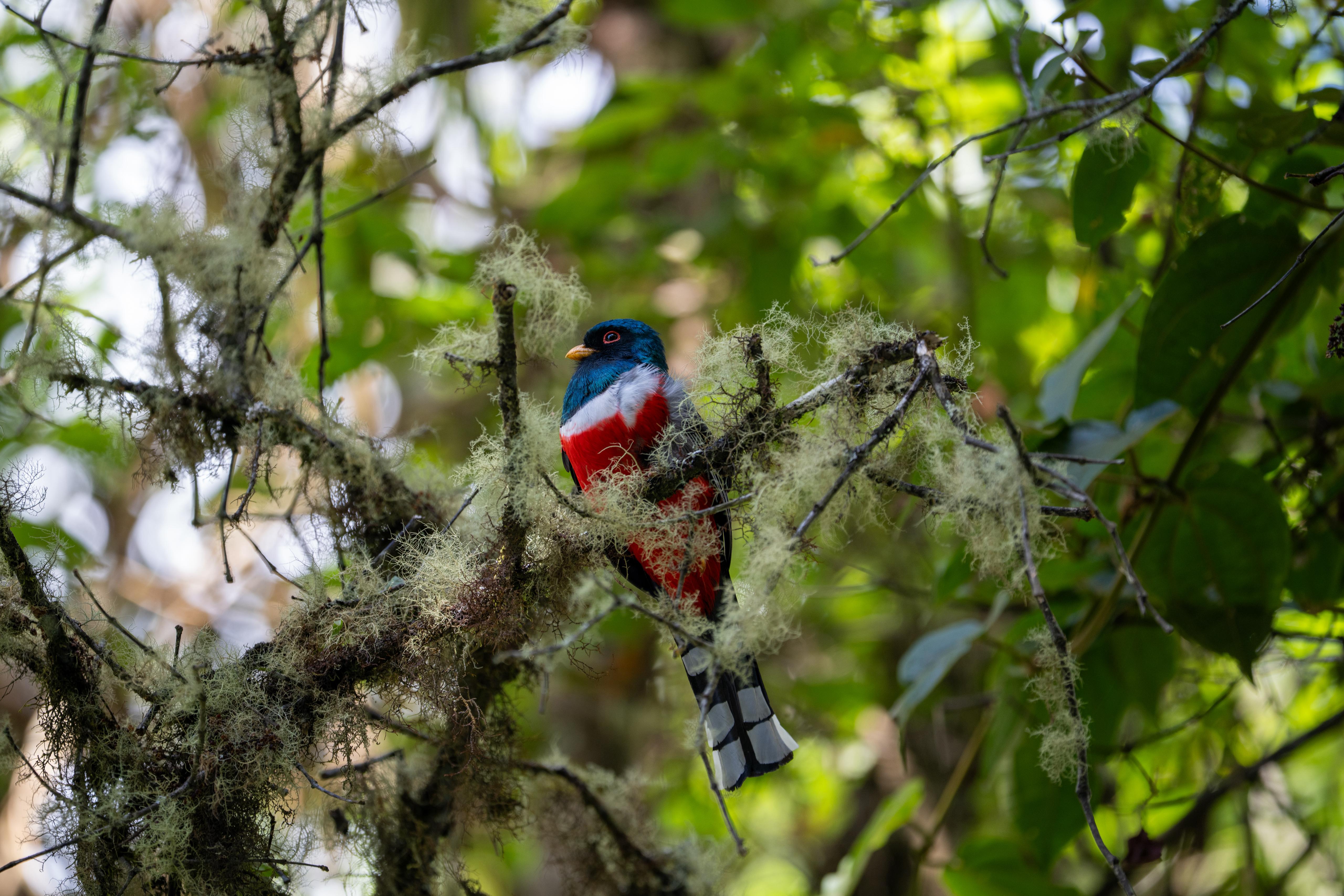
Why Visit Manu National Park? The Pinnacle of Amazonian Wildlife
Nestled in southeastern Peru where the high eastern slopes of the Andes plummet into the endless emerald canopy of the Amazon basin, Manu National Park stands alone as the undisputed crown jewel of global biodiversity. Covering more than 1.7 million hectares (4.2 million acres)—an area larger than the state of Connecticut or the entire nation of Northern Ireland—Manu protects an unbroken, pristine transect of ecosystems ranging from high-altitude Andean puna grasslands at 4,020 meters (13,188 ft) down to lowland tropical rainforest at 300 meters (984 ft) above sea level.
For avid naturalists, wildlife photographers, birdwatchers, and adventurous travelers seeking a genuine wilderness experience, Manu is not just another jungle destination. Unlike more developed or fragmented regions of the Amazon, Manu harbors intact ecosystems where apex predators roam undisturbed, riverbanks are free from commercial traffic, and ancient forests remain untouched by industrial logging or roads.
1. Unrivaled Biodiversity: Scientifically Proven Superiority
Biologists frequently describe Manu as having the highest concentration of terrestrial biodiversity on the planet. Because the park encompasses multiple distinct altitudinal zones, its evolutionary richness is staggering:
- Over 1,000 species of birds — roughly 10% of all avian species on Earth, exceeding the total bird count of the United States and Canada combined.
- 222 species of mammals, including the iconic Jaguar (Panthera onca), Puma (Puma concolor), South American Tapir (Tapirus terrestris), and Giant River Otter (Pteronura brasiliensis).
- 14 distinct primate species, from the tiny Pygmy Marmoset to the acrobatic Black Spider Monkey and the booming Red Howler Monkey.
- More than 15,000 species of vascular plants, with botanical surveys documenting upwards of 250 different tree species within a single hectare of forest.
- Over 155 species of amphibians and 132 species of reptiles, setting worldwide records for protected areas.
When you step into Manu, you are walking through an ecosystem that operates precisely as it has for millions of years.
"To visit Manu is to witness nature before human intervention altered the balance of life. There is no other rainforest where you have such realistic chances of spotting giant river otters, thirteen monkey species, and a jaguar on the riverbank during a single week."
— Jordy, Master Naturalist Guide at Manu Jungle Forever
2. Intact Ecosystems and the Pristine Reserved Zone
One of the defining reasons to choose Manu over other Amazonian destinations like Iquitos or Puerto Maldonado is its strict conservation zoning. Manu National Park is divided into three distinct sectors:
- The Core National Park (Restricted Area): Completely closed to regular tourism, dedicated exclusively to scientific biological research (such as the renowned Cocha Cashu Biological Station) and the voluntary isolation of uncontacted indigenous groups like the Mashco Piro.
- The Manu Reserved Zone: Accessible only to licensed ecotourism operators accompanied by certified naturalist guides. Here, visitor numbers are strictly controlled by the Peruvian National Parks Service (SERNANP), preserving serene riverbanks and unpressured wildlife populations.
- The Cultural & Buffer Zone: Home to riverside farming communities, indigenous native settlements (Matsigenka and Harakbut), and eco-lodges accessible via overland road and river routes.
By traveling with a licensed local operator like Manu Jungle Forever, your journey directly supports this strict conservation model, ensuring the rainforest remains safe from illegal gold mining and timber extraction.
3. World-Class Wildlife Encounters: What You Can Actually See
While seeing wildlife in dense tropical rainforest requires patience, keen senses, and skilled tracking, Manu offers encounters that simply cannot be matched elsewhere. Key wildlife highlights include:
The Elusive Jaguar (Panthera onca)
Manu's white sand riverbanks along the Manu and Alto Madre de Dios rivers are world-renowned for daylight jaguar sightings, particularly during the dry season (May to October). Solitary big cats frequently patrol the beaches in the morning and late afternoon, sunning themselves or hunting capybaras and caimans.
Giant River Otters (Pteronura brasiliensis)
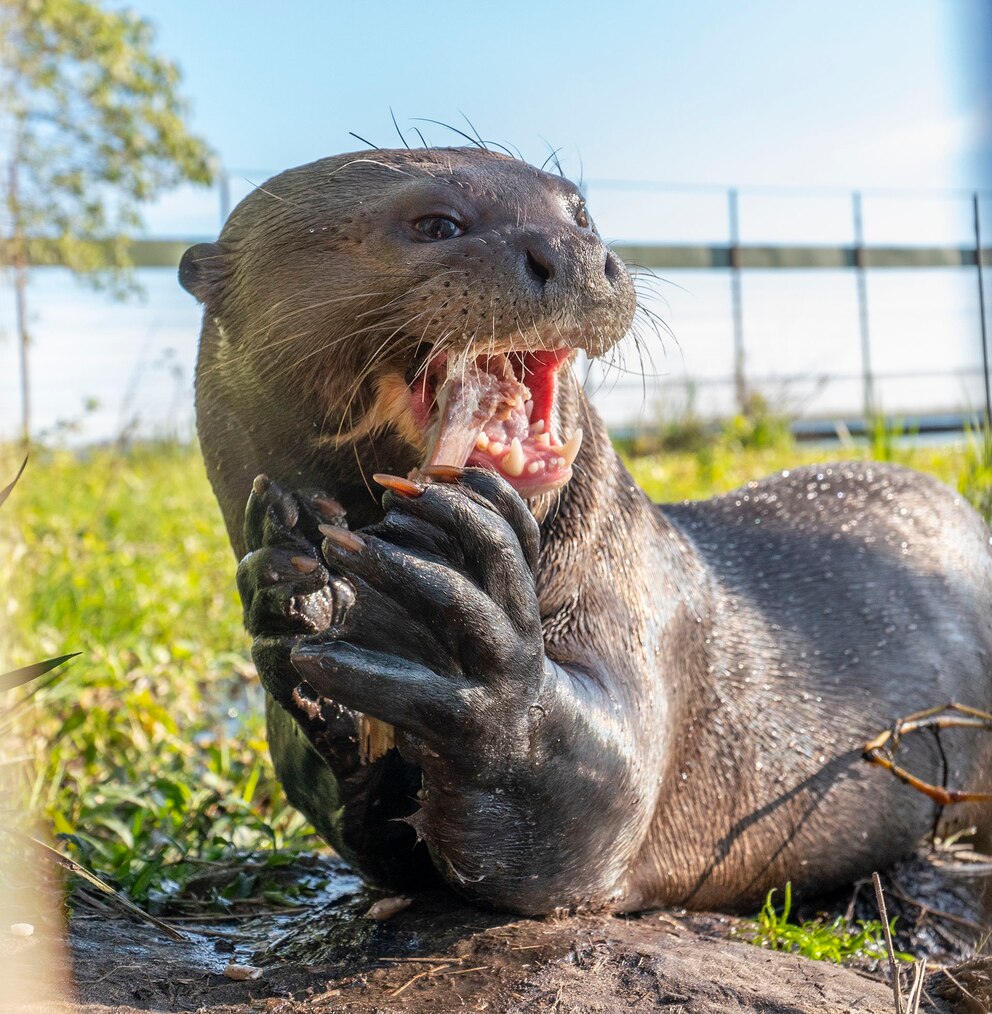
In the tranquil oxbow lakes (cochas) of the Reserved Zone, such as Cocha Salvador and Cocha Otorongo, resident family clans of endangered Giant River Otters swim, hunt fish, and communicate with distinct vocalizations. Watching them from a silent wooden catamaran at dawn is a bucket-list wildlife moment.
The Avian Spectacle: Macaws and Cocks-of-the-Rock
In the Andean cloud forest, travelers visit the lek of Peru's vibrant national bird, the Andean Cock-of-the-rock (Rupicola peruvianus), where males perform elaborate mating dances amidst mist-shrouded moss and bromeliads. Further downriver, dramatic clay licks (colpas) attract hundreds of Red-and-green Macaws, Scarlet Macaws, and parrots who gather daily to ingest mineral-rich clay.
4. The Spectacular Overland Journey from the Andes
Unlike tours that rely solely on commercial domestic flights into a rainforest city, traveling overland to Manu from Cusco is an unforgettable expedition in itself.
The route climbs from the ancient Incan capital of Cusco up to the windswept Andean puna of Paucartambo and the high pass at Acjanaco (3,560 m). As the road drops down into the Kosñipata Cloud Forest, travelers witness an extraordinary transformation in temperature, mist, and vegetation:
| Zone / Elevation | Key Habitats | Signature Wildlife | | :--- | :--- | :--- | | High Andes (3,500m - 4,000m) | Polylepis woodland & Puna | Andean Gull, Mountain Caracara, Puna Ibis | | Upper Cloud Forest (2,000m - 3,500m) | Dwarf forest, mossy canopy | Spectacled Bear, Grey-breasted Mountain Toucan, Quetzals | | Lower Cloud Forest (1,000m - 2,000m) | Tree ferns, wild orchids | Cock-of-the-rock lek, Woolly Monkeys, Highland Hummingbirds | | Lowland Rainforest (300m - 800m) | Meandering rivers, oxbow lakes | Jaguars, Giant Otters, Macaws, Black Caimans, Tapirs |
This seamless descent through multiple life zones offers deeper ecological understanding and photographic opportunities than any standard flight can provide.
5. Authentic Indigenous Heritage and Sustainable Stewardship
Manu is not an empty forest; it has been the ancestral homeland of indigenous peoples for millennia. Matsigenka, Yine, and Harakbut communities live along its rivers, preserving traditional knowledge of medicinal plants, sustainable hunting, and river navigation.
By choosing Manu Jungle Forever, you are traveling with a team composed of native guides and local staff born in the Amazon. Your tour funds local schools, clean energy initiatives in riverside villages, and dignified employment for local families, turning tourism into a powerful shield for forest conservation.
Practical Planning: When and How to Visit
- Best Time to Travel: The dry season runs from May through October, featuring sunny days, lower river levels, and peak wildlife activity along sandbanks. The green season (November through April) brings higher water levels, cooler temperatures, and lush rainforest flowering.
- Recommended Trip Length: For the full Reserved Zone and oxbow lakes, an 8-day expedition or 7-day expedition is ideal. For tighter schedules, our 4-day Manu Adventure or 6-day Manu Expedition offers a phenomenal introduction to the Cloud Forest and Cultural Zone.
Ready to Experience the Wild Heart of Peru?
Explore our certified itineraries or contact our local team to craft your custom Amazon adventure:
- Explore all Manu Guided Tours
- View Upcoming Fixed Departures
- Contact Manu Jungle Forever to reserve your expedition.
More Articles
Meet Jordy: Master Naturalist Guide & Native Rainforest Expert at Manu Jungle Forever
Get to know Jordy, lead naturalist guide at Manu Jungle Forever. Born and raised in the heart of the Peruvian Amazon, discover his lifelong journey tracking jaguars, identifying hundreds of bird vocalizations, and sharing the secrets of Manu with travelers.
How Sustainable Tourism Protects Manu National Park and Empowers Local Communities
Explore the vital symbiotic relationship between ethical ecotourism and conservation in Manu. Learn how your journey finances park rangers, preserves ancestral indigenous territories, and creates an economic alternative to illegal deforestation and mining.
Leave a Comment
We'd love to hear your thoughts! Share your questions, impressions, or travel experiences in Manu National Park.